
The Display Assembly Problem: Why Labor Is the Hardest Thing to Manage in Display Manufacturing
Every Costco endcap you've ever seen was built by hand.
Not by a machine. Not by an automated line. By a crew that got a call three weeks out — sometimes less — telling them they needed 500,000 units of a club store display. Different structure than last time. Different dimensions, different graphics, different assembly sequence. Floor-ready on pallets. Two weeks.
This is the job. And it happens every month.
Promo Chaos Is the Business Model
POP and display manufacturing doesn't run on predictable volume. It runs on retailer promotional calendars — and those calendars change constantly.
One week you're assembling PDQ trays for a snack brand's end-of-aisle push. The next you're building pallet displays for a household goods promo that got moved up because a competitor blinked. Club store programs come with short windows, large volumes, and zero margin for error on delivery.
The result: you're scaling your workforce up and down constantly. You need 3x your normal headcount for three weeks, then half that the following month. Temp staffing becomes a core part of your operation — not a fallback.
That's not a flaw. That's the business.
Why Automation Doesn't Solve This
A food manufacturer runs the same SKU for weeks. Same line setup, same sequence, same crew. You can optimize that. Automate that. Measure it to the decimal.
Display manufacturing doesn't work that way.
Every program is a different build. Floor displays, shipper displays, endcap structures, club store pallet displays — each one has a different assembly sequence, different components, different crew requirement. The work requires skilled hands at every stage, and the volume of those hands changes program to program.
You can't automate your way out of that. The problem isn't that you're using labor. It's that labor is 70% of your cost structure — and you're managing it blind.
The Hidden Cost Nobody Tracks
Here's a question most display manufacturers can't answer: what's your labor cost per display unit?
Not per project. Not per quarter. Per unit, in real time, on the current run.
If that number isn't on your floor manager's screen right now, you're flying blind on the single biggest line item in your business.
When you're running multiple assembly lines during a production spike, a few things happen quietly:
Idle time doesn't get flagged. A line slows — a component shortage, a spec change, a bottleneck at the assembly station. Workers are clocked in. Nobody sees it until after the fact, because there's no output tracking telling you production just dropped on Line 3.
Staffing agency invoices don't always match productive hours. The invoice comes in, someone approves it. Two weeks later you realize the billed hours don't line up with what actually shipped.
Project-end surprises become routine. By the time you reconcile labor cost against revenue, the program is over. You can't fix it. You absorb it.
On a $10M operation, 5% labor inefficiency is $350,000 a year. It doesn't show up as one line item. It bleeds out across every program, every pay period, every invoice cycle.
What Real-Time Visibility Actually Changes
The fix isn't more headcount. It's not a new staffing agency. It's knowing what's happening on the floor while it's still happening.
Sensor-based piece count tracking on each line so output drops get caught immediately — not in a post-project report. Floor-level displays showing every manager exactly who's where, what's running, and where gaps are opening up. Automated 3-way match reconciliation that flags every billing variance before it gets approved, with a full audit trail.
This is what a 5-15% labor cost reduction looks like in practice. Not a restructuring. Not a headcount cut. Just visibility into what your labor is actually doing — during the programs where it matters most.
Most operations see the savings within the first quarter.
About the Author
Elements Connect
Elements Connect is a workforce intelligence platform helping beauty contract manufacturers, 3PLs, and staffing agencies transform disconnected labor data into actionable insights that reduce costs and elevate operational performance.
Learn more at elementsconnect.com → (opens in a new tab)Related Posts

How Staffing Agencies Can Build a Proprietary Talent Quality Score Clients Can't Get Anywhere Else
Most staffing agencies compete on price and speed—but neither creates lasting client loyalty. A proprietary Talent Quality Score built from real performance data changes the conversation entirely. Here's the step-by-step framework for building one your clients can't find anywhere else.
10 min read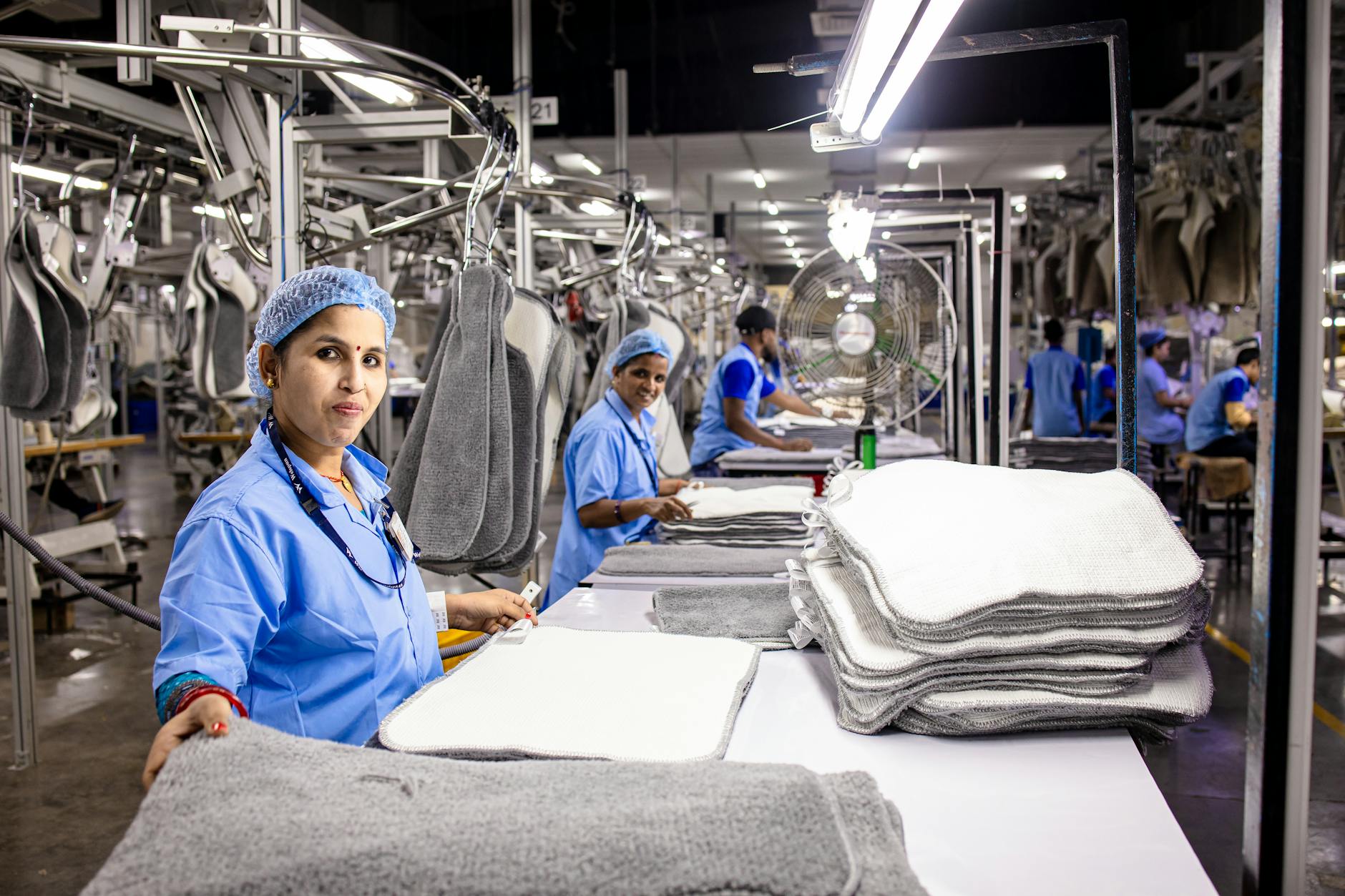
Your Best Operators Are Carrying Your Worst Ones: How to Use Per-Worker Performance Data to Fix Line Imbalance
When your fastest operators compensate for your slowest ones, line imbalance becomes invisible—until it shows up in your labor cost per unit. This guide shows plant managers and operations leaders how to use per-worker performance data to surface hidden imbalance, reassign talent strategically, and build a continuous improvement culture that scales.
15 min read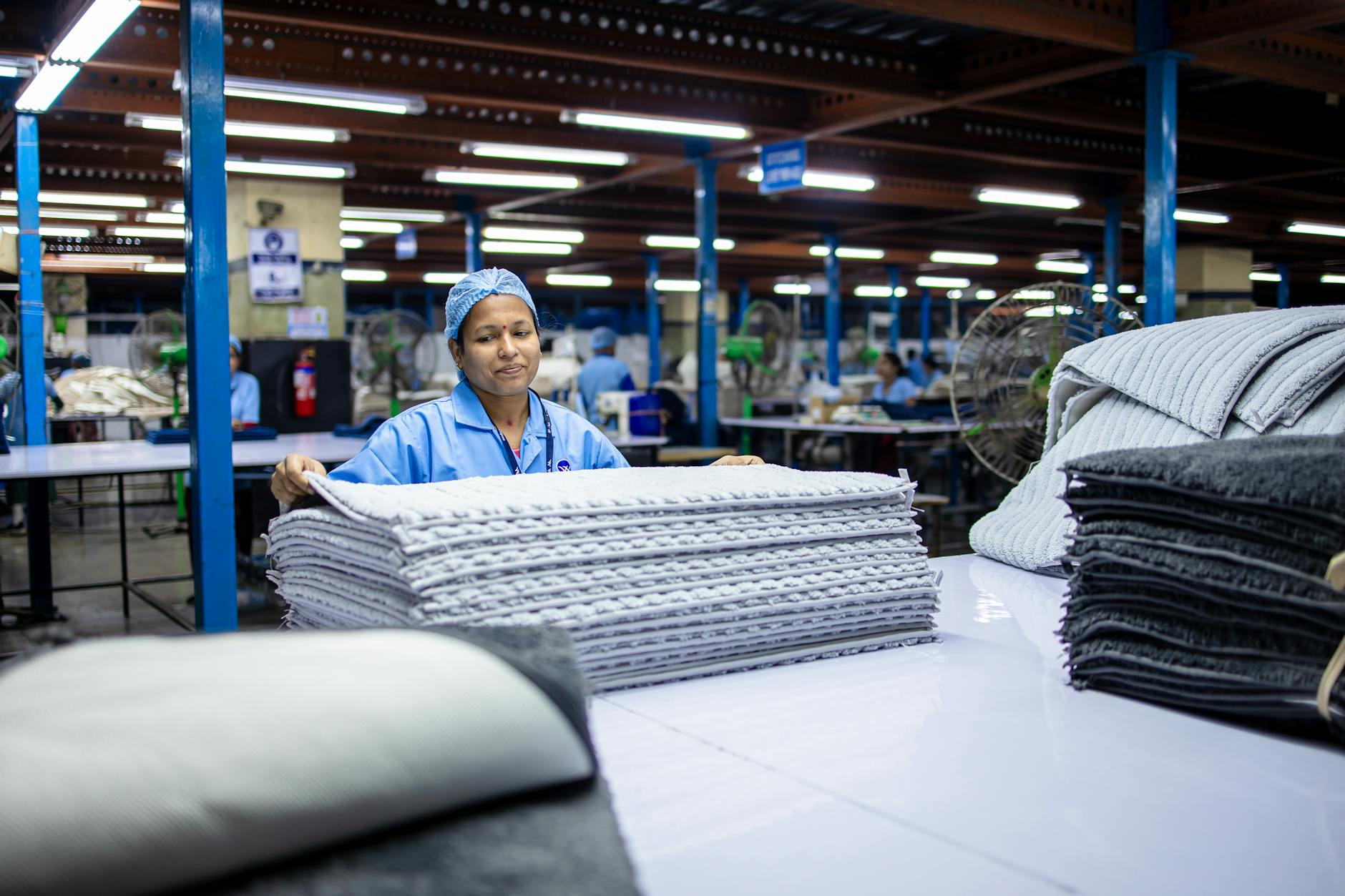
Why Display Manufacturers Keep Getting Labor Wrong (It's Not What You Think)
Display manufacturers consistently mismanage labor for one structural reason: every tool they have was built for a different kind of factory.
4 min read